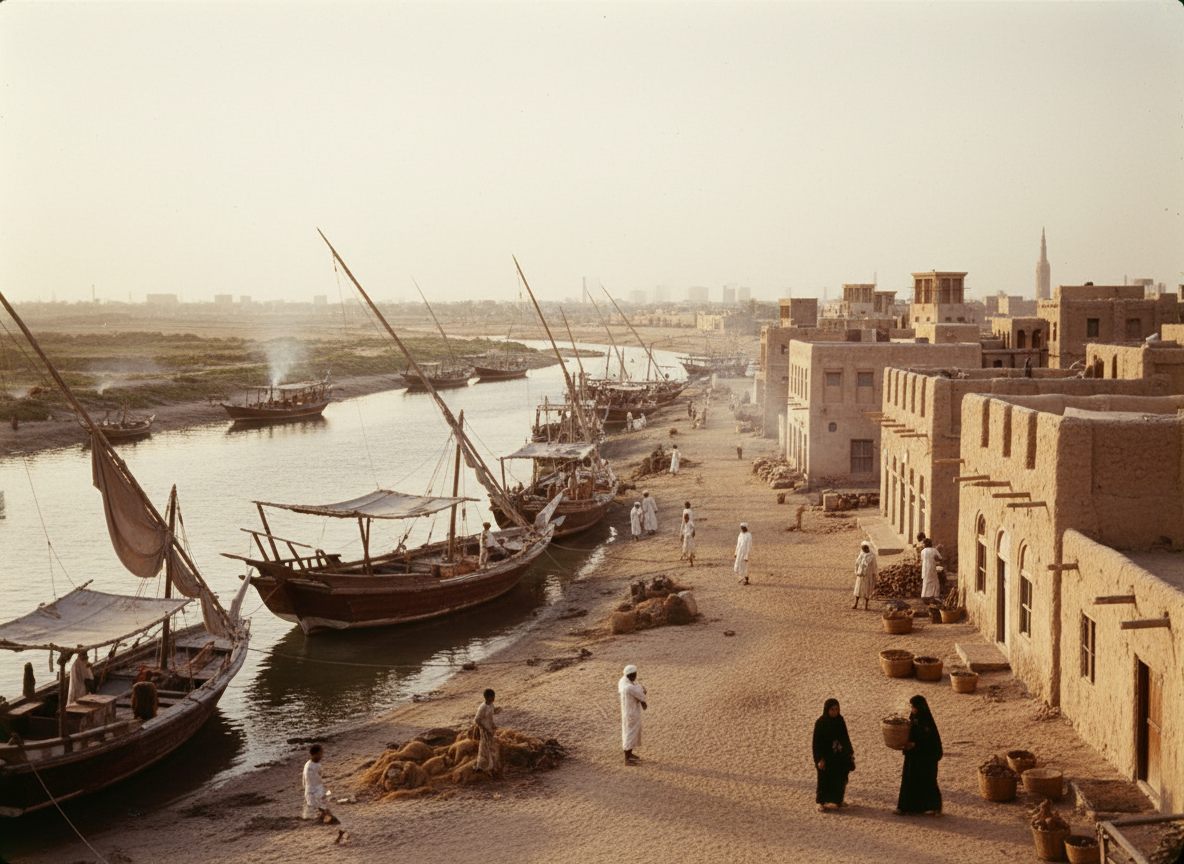
Dubai’s journey from a humble fishing and pearling village to a global metropolis is one of the most remarkable transformations of the modern era. Situated on the southern shore of the Persian Gulf, Dubai’s strategic location has for centuries made it a vital trading port connecting merchants from Persia, India and East Africa.
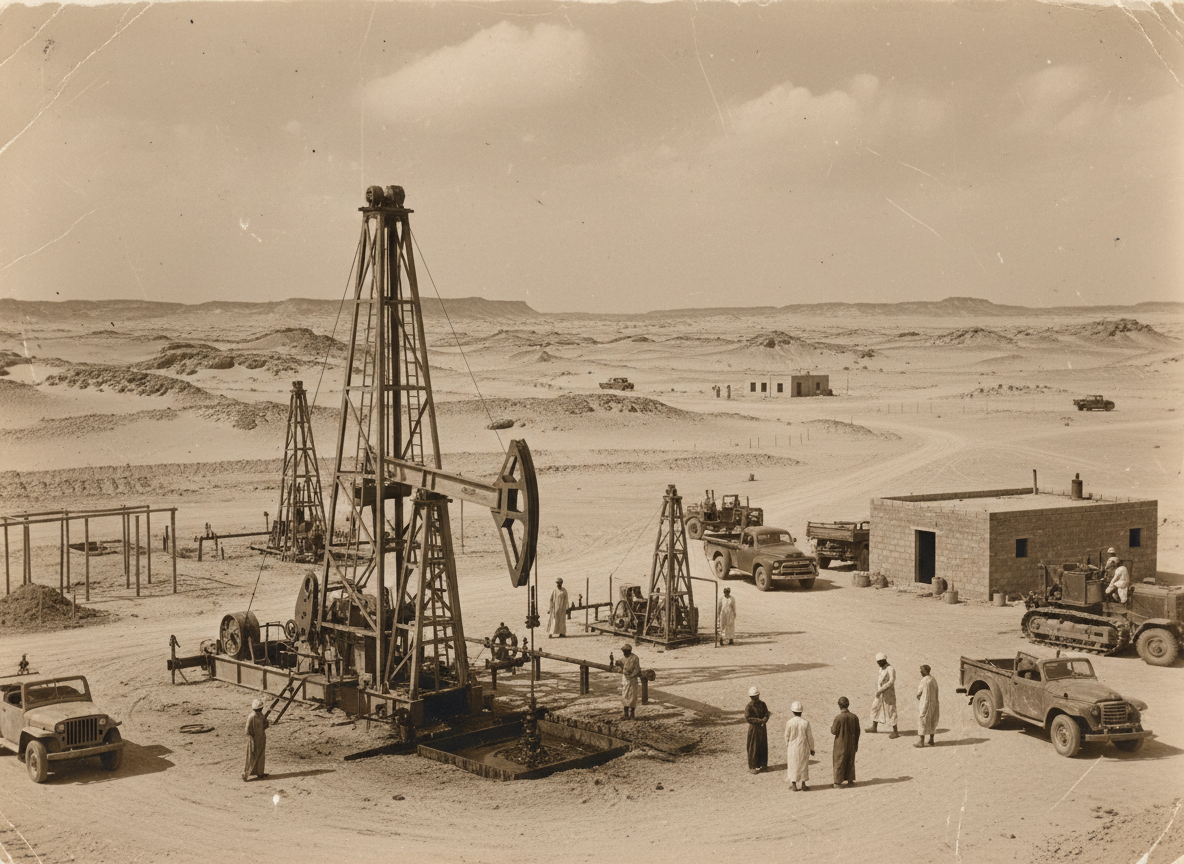
In the early 20th century, Dubai was known for its bustling souks, wooden boat (dhow) building shipyards and vibrant pearl trade. The discovery of oil in the 1960s was a turning point, bringing rapid economic development and urbanization. Dubai’s visionary leader, Sheikh Rashid bin Said Al Maktoum, implemented ambitious infrastructure projects, including the construction of ports, roads and the city’s first airport.
As oil revenues grew, Dubai diversified its economy, investing heavily in trade, tourism, finance and real estate. The establishment of free zones, world-class hotels and luxury shopping centers have attracted international companies and visitors. The city’s skyline has changed dramatically with the rise of landmarks such as Burj Khalifa, Burj Al Arab and Palm Jumeirah.
Today, Dubai is known for its cosmopolitan culture, innovative spirit and commitment to excellence. Despite its rapid modernization, the city has managed to retain elements of its rich heritage, seen in its traditional markets, historic neighborhoods and cultural festivals. Dubai’s history is a story of resilience, vision and dogged determination to achieve greatness – a legacy that continues to inspire residents and visitors alike.